

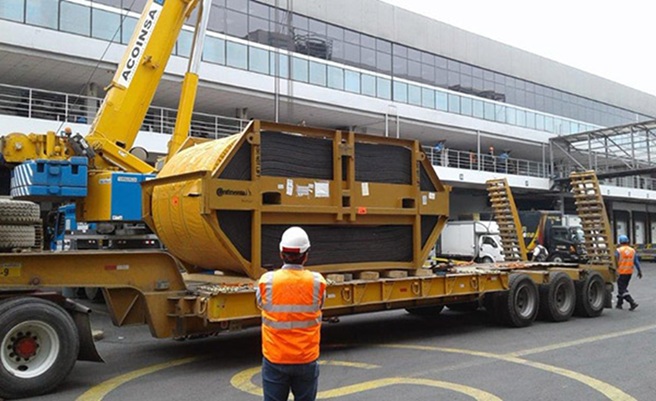
If you’ve ever watched a forklift zip past you in a warehouse or seen those long-haul trucks reverse into a loading dock with just centimetres to spare, you’d know one thing for sure: industrial transport operations are no joke. It’s a bustling ecosystem of heavy machinery, tight schedules, and some pretty wild physics. In the middle of all that metal and movement, safety laws are essential.
The Work Health and Safety Act: The Big Umbrella
Lett’s start with the Work Health and Safety Act, she is the mother of all safety legislation. It outlines duties for anyone at the workplace: managers, operators, contractors, and even visitors if they’re in the mix.
Basically, if there’s a risk, it’s your job to deal with it. Employers need to identify hazards, assess the risks, and implement controls. Workers have rights, but they have responsibilities, too. They have to take care of their own safety and that of their mates. It’s a two-way street, not a one-lane track.
Chain of Responsibility: Everyone’s Accountable
One of the juicier laws in the transport world is the Chain of Responsibility legislation. It flips the old-school idea that only the driver cops the blame if something goes pear-shaped on the road.
CoR says that if your role influences a transport task, even if you’re just scheduling deliveries from an office, you can be held legally responsible if something unsafe happens. So if you’re pushing a driver to meet unrealistic deadlines that require breaking speed limits or skipping breaks, you’re just as much in the hot seat as they are.
Machinery and Equipment: If It Moves, It Needs Rules
In industrial transport, the machines are the muscle, but if no one’s watching, they can also be the mess. Heavy conveyor belts and accessories, forklifts, dock levellers, and automated sorters need to be managed as if they have a mind of their own. Because if you aren’t careful, bad things could happen.
Under WHS laws, there are strict regulations around how machinery should be designed, installed, used, and maintained. Conveyor belts, for example, might look harmless, but those things can drag a glove, a hand, or even someone’s jacket into a pinch point. That’s why guarding is mandatory around moving parts, along with emergency stop mechanisms that actually work.
Fatigue Management: No One’s Productive When They’re Half-Asleep
Fatigue management rules are a biggie in transport because no one wants a sleepy operator behind the wheel of a 50-tonne vehicle. The Heavy Vehicle National Law sets limits on work and rest hours for drivers, and it’s enforced hard.
Drivers have to keep proper records of their hours, and companies must actually make sure those hours are safe, not just look the other way while the crew pushes through a night shift with nothing but servo coffee and bad decisions. Fatigue isn’t just a personal issue; it’s a workplace hazard. And the law treats it exactly like that.
Vehicle Safety and Maintenance: No Room for Dodgy Gear
Another cornerstone of safety law is vehicle maintenance. It’s not enough for a truck or forklift to look good on paper. It needs to work consistently, reliably, and without a surprise oil leak on a rainy morning. The HVNL requires that vehicles are roadworthy, fit for purpose, and maintained properly. Skipping a service isn’t just risky, it’s illegal.
The National Heavy Vehicle Regulator keeps a close eye on this stuff, and they’re not messing around. If your brakes fail because someone tried to cut corners on a service, the consequences aren’t just mechanical, they’re legal and could be fatal.
Training and Competency: Licences Aren’t Optional
In industrial transport, training isn’t a formality; it’s a requirement, under both WHS laws and specific transport regulations. Anyone operating heavy machinery or handling dangerous goods needs proper training and certification.
Employers have a legal duty to ensure their workers are competent for the job at hand. That includes refresher training and, in some cases, fitness-for-duty checks. It’s not about being fussy; it’s about making sure no one accidentally reverses a 12-tonne vehicle into a wall.
Conclusion
It’s easy to brush off safety laws as bureaucratic nonsense, until something goes wrong. Industrial transport is high-stakes work, and the legal framework around it exists to prevent tragedy, not just to tick boxes. Whether you’re behind the wheel, loading the truck, or planning the route, the law sees you. And if you do things right, it’ll also protect you.

