

Kansas is a state where people value preparation and practicality, whether they’re running a business in Wichita or raising a family in Johnson County. When an accident disrupts that stability, the instinct may be to focus solely on recovery and put legal concerns aside. However, in Kansas, timing plays a critical role in protecting your right to pursue compensation.
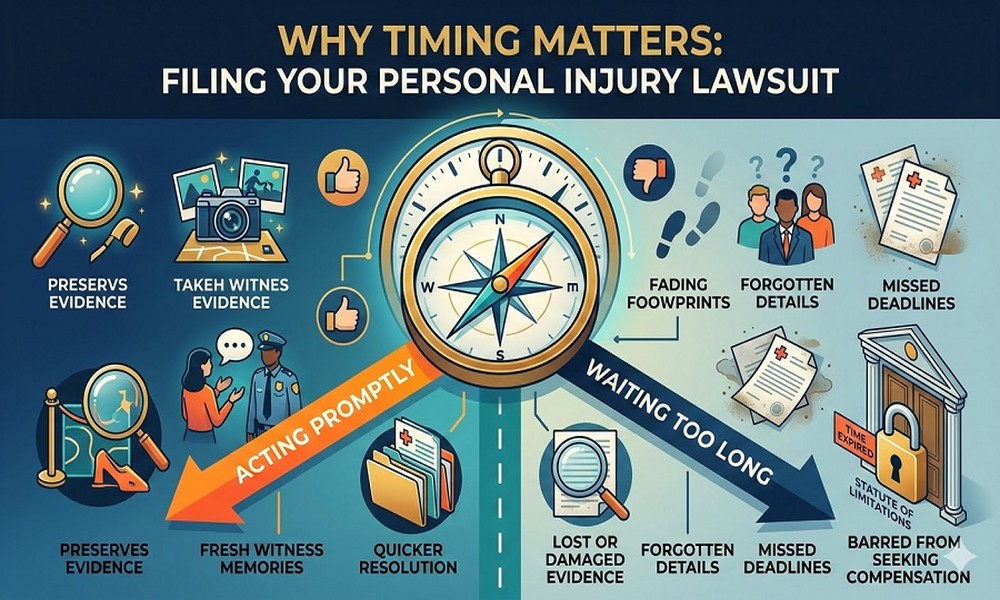
State laws impose firm deadlines, and missing them can permanently close the door on your claim-no matter how serious the injury. Beyond legal limits, evidence can disappear, memories can fade, and insurance companies may use delays to their advantage. Acting promptly does not mean rushing important decisions; it means safeguarding your position while you heal. Speaking with an experienced Overland Park personal injury lawyer early in the process can help ensure that deadlines are met, evidence is preserved, and your case is positioned as strongly as possible from the very beginning.
Statute of Limitations
There is always a limit for how long an individual has to file a lawsuit after an accident. If you miss this deadline, you lose your right to seek compensation. States have different limits, and knowing the specific limit for your case is incredibly important. This allows claimants to retain their right to claim and avoid potential roadblocks down the road.
Preserving Evidence
As time passes, finding evidence becomes more difficult. For example, damaged vehicles can be repaired or even destroyed, while medical records may get lost or changed. Witness testimonies can become less reliable since memory fades over time. Filing a lawsuit shortly after an incident keeps crucial details fresh and accessible. In other words, filing early gives you a better chance to document your case thoroughly.
Medical Documentation
One of the essential parts of personal injury cases is medical documentation. When a person seeks treatment soon after an accident, the connection between the crash and the injuries suffered is obvious. If you delay seeing a doctor, it can be difficult to establish causation, which affects the claim. Insurers can also argue that the injury was not serious enough in the first place for you to seek compensation.
Negotiating with Insurance Companies
Insurance companies are notorious for asking claimants to settle fast and extending lowball offers. When a lawsuit is filed on time, negotiating becomes easier. The threat of legal action incentivizes insurers to offer fairer settlements. If the claimants take too much time, they may lose power and receive an insubstantial offer.
Exertion on the Restorative Phase as well as Relaxation
Having to recover from an injury is already strenuous and difficult. Not knowing if you are going to be compensated for it is an added burden. Filing early gives you clarity and makes you feel in control of the process. This way, claimants can concentrate on the healing process, knowing that their case is in motion.
Changing Circumstances
Time can bring unexpected changes. Witnesses may move away, photos and videos may get deleted by mistake, and memories may become fuzzy. Filing on time means you do not have to worry about any of these changes. It also lets you react promptly to any unforeseen developments in the case. Being proactive helps overcome obstacles that arise due to the passage of time.
Gaining Clarity on Long-Term Effects
At times, it takes a while before we even know the full extent of an injury. That does not mean to hurry through the process of filing a lawsuit. However, if early action has been taken, doctors can carefully evaluate the ongoing symptoms and the needs of the person going forward. This data ensures that settlements are based on current and expected losses. But acting quickly allows one to realize the full consequences of an injury without letting deadlines slip.
Conclusion
The timing of filing a personal injury lawsuit can influence every decision that follows. Each passing day matters when it comes to preserving evidence, locating witnesses, and protecting your legal rights within the applicable statute of limitations. Acting promptly allows claimants to gather documentation, secure testimony, and build a stronger case for full compensation. Delays, on the other hand, can result in lost evidence, fading memories, and weakened claims. By understanding the importance of timing, individuals can make informed choices about when and how to proceed, positioning themselves to navigate the legal process with greater confidence and clarity.

