

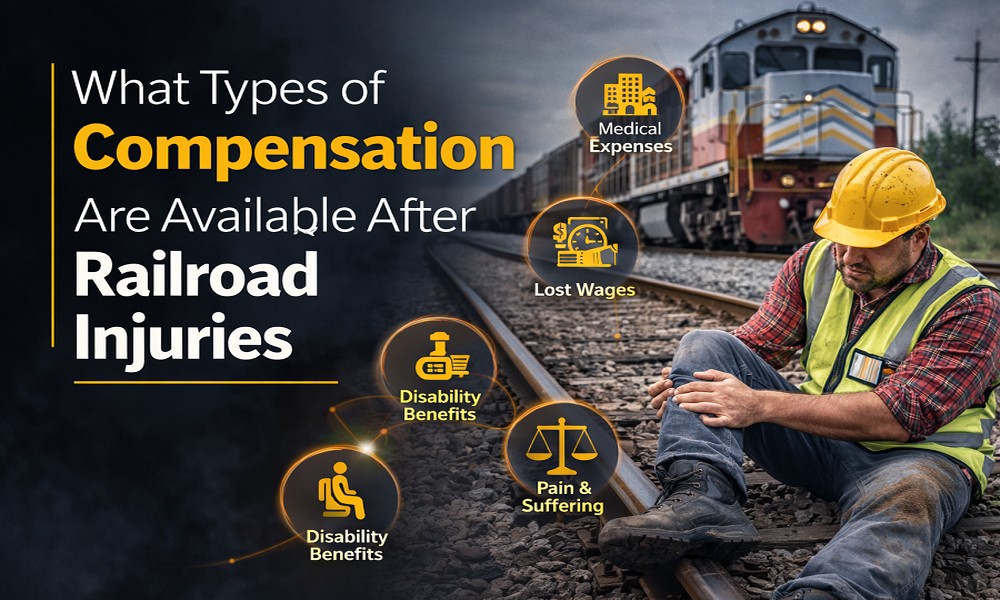
Railroad work in New Orleans carries a high level of risk, as the city serves as the nation’s fourth-largest rail gateway by car volume, connecting all six Class I railroads operating in Louisiana. The Bureau of Transportation Statistics reports that 3,435 railroad workers nationwide suffered on-duty injuries in 2023, including 10 fatalities. From 2018 to 2023, between 3,000 and 4,000 workers were injured on the job each year. Some of these injuries may manifest acutely or progressively worsen over time.
Knowing what compensation options are available can help injured workers and their families regain stability after an accident. If you or a loved one has been injured while working on the railroad, consulting a New Orleans railroad injury lawyer is an important step toward understanding your rights and the types of compensation you may be entitled to. Below is a breakdown of the main types of compensation and what each may apply to.
Medical Expense Coverage
Railroad injuries frequently require medical care. Being hospitalized, undertaking surgical procedures, taking medication, and continuing rehabilitation can cause huge financial difficulties. You can be compensated for the medical expenses that have gone into emergency care and future medical treatment. It often includes associated costs such as physical therapy, driving to appointments, and medical equipment. Having access to these benefits alleviates some of the stress during recovery.
Lost Wages and Earning Capacity
Due to railroad injuries, workers will miss days of work or even lose their capacity to work ever again. Lost wages compensation covers the income lost while recovering. There may be instances in which an employee does not return to a previous position. Compensation for reduced earning potential can help recoup the shortfall between past and present wages. Such compensation might help workers and their families on the brink of financial uncertainty.
Pain and Suffering
The physical consequences are just one aspect of an injury. Victims of these accidents often continue to suffer pain, emotional distress, and a loss of the joy of living. Some of these impacts are less tangible but are still real, and they are compensated for by pain and suffering. The well-being category can relate to anxiety, depression, and chronic pain. It acknowledges that an injury has effects beyond what a doctor can treat or an emergency room bill can capture.
Disability Benefits
Some injuries result in temporary or permanent disabilities. Workers might be eligible to receive temporary disability benefits for the time it takes to heal. Permanent disability payments are designed for cases involving injuries that will always prevent a full return to work. They can be partial or total, based on the seriousness of the injury and the capacity to earn a living. For victims of injury, disability payments provide a measure of financial stability while adjusting to new limits.
Wrongful Death Compensation
At times, the tragic accidents also take away lives. Louisiana is one of only three states where all six Class I freight railroads operate, making the risk of serious incidents a constant concern. In these instances, families may look to receive compensation for wrongful death. These pay compensation for funeral expenses, medical expenses incurred before death, and loss of companionship. The issue of dependents is also an important matter. After a devastating loss, wrongful death compensation can help surviving family members cope with their financial and emotional challenges.
Punitive Damages
Compensatory damages may include punitive damages; however, this is rare. This is an effort to penalize grossly negligent or reckless behavior on the part of the employer rather than to compensate for particular losses suffered. It serves to promote safety and avoid harm in the future. Punitive awards usually kick in when a company has knowingly violated some safety standards or has put its employees at risk.
Legal Fees and Other Costs
Claiming compensation often involves an attorney. Certain compensation packages may compensate the injured employees for legal and court-related fees. This support ensures that the cost of money is not an obstacle to seeking justice. It may also include other expenses such as the cost of hiring an expert witness or an investigator. They free injured people to spend one less second thinking about mounting bills and focusing on what counts, on healing.
Rehabilitation and Retraining
Going back to work after an injury is tough. Vocational rehabilitation or retraining is included in some compensation programs. These advantages assist employees in acquiring new abilities or transitioning to different roles. Some providers may help with job placement or education expenses. For those who are unable to do their previous job because of the lasting impacts of an injury, this support can be essential.
Conclusion
Railroad injuries can change lives in countless ways. Fortunately, there are different types of compensation available to cover some of the many losses experienced by injured workers and their families. So there are medical costs, lost wages, pain and suffering, disability payments, wrongful death benefits, punitive awards, legal fees, and retraining. Understanding which options are available will allow those who have been impacted to make the right choices for themselves and start their journey to healing.

