

The I-77 and I-85 corridors in Charlotte, where heavy commuter traffic meets the constant flow of commercial logistics, often drive the rhythm of life. While our city’s growth has brought vibrant energy to neighborhoods from Uptown to South End, it has also led to some of the highest traffic accident rates in North Carolina. Navigating the aftermath of a collision here requires more than just patience; it demands an understanding of the state’s strict “pure contributory negligence” laws, which can bar you from recovery if you are found even one percent at fault.
Transitioning from the shock of a crash to a successful resolution involves a methodical approach to documenting evidence and managing aggressive insurance adjusters who know these local rules well. If you find yourself overwhelmed by medical bills and complex paperwork, consulting an experienced car accident lawyer in Charlotte is often the most critical step toward protecting your future. Having a local advocate guarantees that North Carolina’s demanding legal standards handle the unique details of your case with precision.
Immediate Steps After a Crash
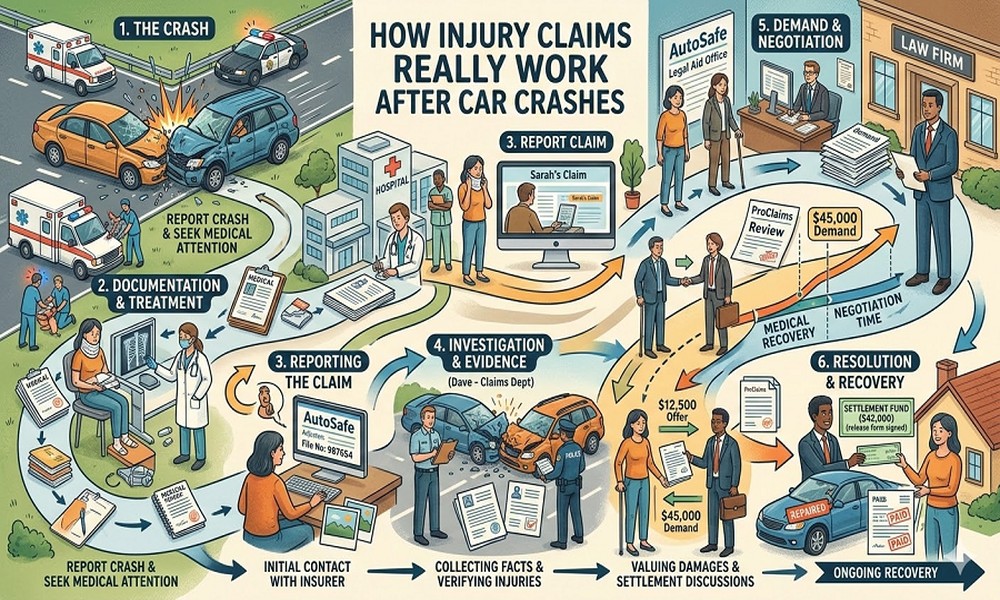
The most important part after a crash remains safety. Anyone involved should check for injuries, move vehicles if necessary, and call the emergency services. By sharing names, contact information, and insurance numbers, you start to establish a foundation should you need to file claims down the line. Photos of the scene, vehicle damage, and visible injuries can all be important later.
Reporting Incidents to Insurers
The process of the claim starts with a timely notification to the insurance companies about the accident. Many insurers have a set timeframe for when you need to notify them of a claim, which means delaying could also decrease your chance of the claim being accepted. The counter report should include clear and accurate details about any incident and be backed up with photos and eyewitness accounts to avoid any misrepresentation or conflict. Keeping a record of all exchanges with the insurance provider enhances transparency in the process.
Seeking Medical Care
Some people sustain injuries in minor crashes without realizing it until a significant amount of time has elapsed. In addition to treatment, you will also need documentation, which is why it is important to see a healthcare professional as soon as possible. In other words, medical reports and bills help substantiate an injury claim by establishing a connection between the accident and the injuries. Skipping or postponing treatment may lead the adjuster to question the severity or mechanism of the injuries.
Understanding Liability and Fault
Insurance companies frequently conduct investigations to identify the individual who was at fault for the accident. For example, they may examine police reports, witness statements, and pieces of evidence like damage to vehicles or skid marks. The outcome of this investigation influences the settlement of claims and determines the party’s coverage response. This stage goes faster with clear proof and a higher chance of being fair.
Calculating Compensation
Damages typically include medical bills, damage to property, lost wages, and in some cases, pain and suffering. You can support these estimates by keeping track of all the costs associated with the accident. To prove the amount claimed, insurers might demand receipts, pay stubs, or expert assessments. Documenting all expenses makes sure you get reimbursed as needed.
Negotiating with Insurance Providers
Insurance companies may offer losses that exceed their initial offers. Examining the offer in depth allows those making the demand to determine if it really suits their needs. If the payout feels insufficient, customers can submit more proof or haggle for a bigger payout. Being patient and systematic during this stage tends to yield better settlements.
Legal Support and Dispute Resolution
When a fault is contested or injuries are significant, expert help from an attorney is necessary. Lawyers serve to help individuals interpret their rights, alongside representing the injured party in negotiations or court. Having a lawyer on your side can maximize your potential compensation, given the complexity of navigating these circumstances. Although most personal injury claims are resolved without going to court, legal assistance is essential if an equitable settlement cannot be reached.
Timelines and Deadlines
In every jurisdiction, there are strict time limits within which injury claims arising from car accidents must be filed. Missing these deadlines can cause you to lose your right to compensation. By understanding the local area’s requirements, a person can take quick action to help avoid unnecessary troubles. Hang up all the important dates on a calendar during your recovery to prevent forgetting them.
Conclusion
A car crash is a common occurrence; however, an injury claim related to it requires many things to be kept in mind, like timeliness, detail, and determination. Comprehensive records, timely reporting, and communication with corresponding support systems help greatly in minimizing the discomfort and stress of the process. Each of these steps is designed to keep an individual protected even while they are busy healing.

