

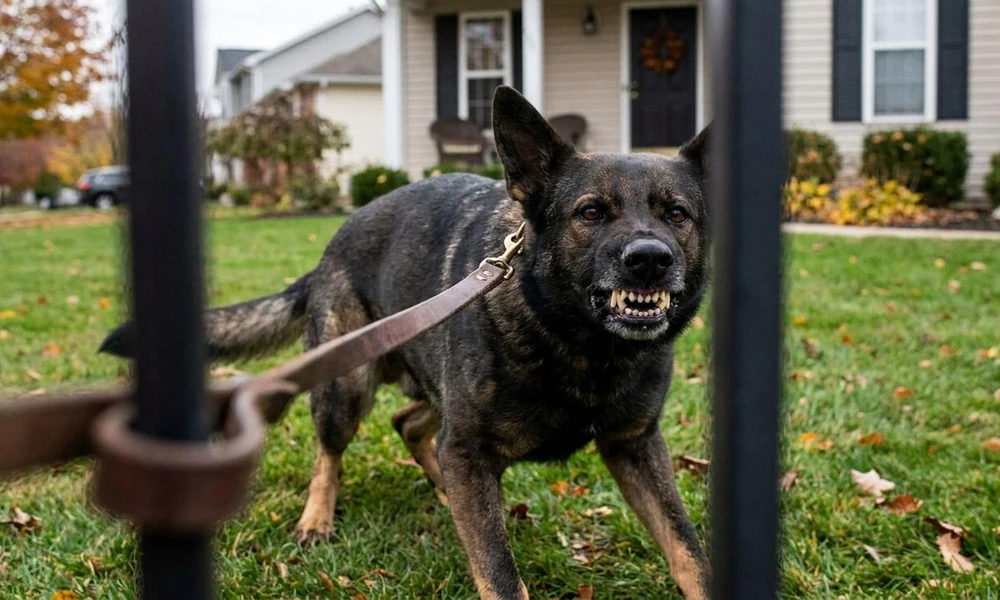
A dog bite can mean stitches, scarring, or worse, and it often comes with a strange kind of hesitation: the dog belongs to a neighbor, a friend, or someone you know, and it feels awkward to pursue a claim. A dog bite lawyer in Santa Ana deals with this hesitation constantly, and the honest answer is that California law makes these cases more straightforward than most people expect.
California’s Strict Liability Dog Bite Law
Under California Civil Code section 3342, a dog owner is strictly liable for injuries their dog causes by biting someone, regardless of whether the dog ever showed aggressive behavior before. This is often called eliminating the “one-bite rule,” which in some states protects owners from liability for a first-time bite if the dog had no known history of aggression.
In California, that protection does not exist. If the dog bit you while you were in a public place or lawfully on private property, the owner is generally responsible for your injuries without you needing to prove they were careless or that the dog had bitten before.
When the Owner Is Automatically Liable
To hold an owner strictly liable, you generally need to show four things: the person owned the dog, the bite happened in a public place or somewhere you had a legal right to be, the bite caused an injury, and the bite substantially contributed to that injury. Notably, this rule covers mail carriers, delivery drivers, guests, and neighbors, not just strangers passing by on the sidewalk.
California holds dog owners strictly liable for bites under Civil Code section 3342, meaning the owner is responsible even if the dog never bit anyone before. There are exceptions for trespassing and provocation, and you generally have two years from the bite to file a claim.
In California, a dog does not get one free bite. The owner is responsible from the first one.
This strict liability standard exists specifically because dog owners are in the best position to control their animals and prevent bites in the first place.
Exceptions: Trespassing and Provocation
Strict liability under Civil Code 3342 only applies if you were lawfully present. If you were trespassing on the owner’s property, you generally cannot rely on strict liability, though you may still claim you can prove the owner was negligent or knew the dog was dangerous.
Provocation matters too. If you harassed, startled, or hurt the dog before it bit you, the owner can argue that this incident reduces or eliminates their liability, and comparative fault rules may apply depending on the specific facts.
What to Do Immediately After a Bite
Get medical attention right away, since dog bites carry a real risk of infection and often need proper wound cleaning beyond what you can do at home. Get the owner’s name, contact information, and proof of rabies vaccination for the dog if possible, since the information affects both your medical treatment and your claim.
Photograph the wound, the location where the bite happened, and the dog if it is safe to do so. Report the bite to local animal control, since an official report creates a record that can matter significantly if the claim is later disputed.
Medical Treatment and Documentation
Dog bite injuries often need more than just a bandage. Puncture wounds, lacerations, and nerve damage sometimes require stitches, reconstructive treatment, or ongoing care for infection risk, and scarring can also require future treatment that is easy to underestimate immediately after the bite.
Keep every medical record, bill, and follow-up appointment note, since this documentation becomes the backbone of what you can recover. Photos of the wound at different stages of healing, from the initial injury through recovery, help show the true extent of the injury.
What If the Dog Belongs to a Landlord or Business?
Not every dog bite involves a private homeowner. If the dog belongs to a landlord, a business owner, or someone managing a commercial property, additional negligence claims may apply on top of the standard strict liability claim, particularly if the property owner knew the dog was dangerous and allowed it on the premises anyway.
This can matter significantly for the amount of available insurance coverage, since commercial policies often carry higher liability limits than a typical homeowner’s policy. Identifying every party connected to the dog’s presence at the time of the bite is an important part of building a complete claim.
What Compensation Can Cover
Dog bite claims in California can cover medical expenses, both current and future; lost wages if the injury kept you from work; and pain and suffering, which in most personal injury cases in California has no legal cap. Scarring and disfigurement can also factor into compensation, particularly for bites affecting the face or hands.
You generally have two years from the date of the bite to file a lawsuit under California Code of Civil Procedure section 335.1, so waiting too long to pursue a claim can mean losing the right to recover anything at all.
Homeowners and Renters Insurance Coverage
Most dog bite claims are ultimately paid through the dog owner’s homeowners or renters insurance policy, since most standard policies include liability coverage for injuries the policyholder’s pet causes. This is actually encouraging news for victims, since it usually means pursuing a fair claim does not require draining a neighbor’s or friend’s personal savings.
Some insurers have started excluding certain dog breeds from coverage or requiring specific disclosures, which can complicate a claim if the policy has a breed exclusion. In cases where insurance coverage does not apply or the owner is uninsured, a dog bite lawyer can help identify other avenues for recovery.
Common Dog Bite Injuries and Long-Term Effects
Dog bite injuries range from minor punctures to severe lacerations requiring reconstructive surgery, and children are disproportionately affected by bites to the face and head due to their height relative to most dogs. Beyond the physical wound, many victims, especially children, develop lasting anxiety or a genuine fear of dogs that can affect daily life for years afterward.
Nerve damage is another commonly underestimated consequence, particularly for bites to the hands or fingers, where even a seemingly minor puncture can affect grip strength or sensation permanently. Documenting these long-term effects, not just the initial wound, is an important part of understanding what a claim is actually worth.
Animal Control Reports and Quarantine Requirements
California generally requires a bite to be reported to local animal control, and the dog is typically placed under a 10-day quarantine period to monitor for signs of rabies, regardless of the dog’s vaccination status. This quarantine can usually happen at the owner’s home rather than a shelter if the dog is up to date on vaccinations and the owner cooperates with the process.
The animal control report itself becomes an important piece of documentation for your claim, since it creates an official, timestamped record of the incident independent of what the owner might later claim happened. Requesting a copy of this report early is a simple step that strengthens a claim significantly.
Why Local Representation in Santa Ana Matters
Dog bite claims often involve a homeowner’s insurance policy, and those insurers move quickly to minimize what they pay out, sometimes before a victim even understands the extent of their injury. A local attorney who knows how Orange County insurers and courts handle these cases can push back against lowball offers and delay tactics.
Oracle Law Firm represents dog bite victims in Santa Ana who are dealing with painful injuries and an awkward, often confusing claims process. A free consultation can clarify your options with no pressure and no upfront cost.
Get a Free Consultation or call 888.597.4099.
This article is for general information only and is not legal advice. Every dog bite case depends on its own specific facts.
FAQ
Is a dog owner automatically liable if their dog bites someone in California? Generally yes, under Civil Code section 3342, as long as you were in a public place or lawfully on private property. California does not follow a “one bite” exception that protects owners from a first-time bite.
What if I was bitten while trespassing on someone’s property? Strict liability generally does not apply if you were trespassing, but you may still have a claim if you can show the owner was negligent or knew the dog was dangerous.
Does it matter if I know the dog owner personally? No. Your legal right to pursue a claim does not depend on your relationship with the owner, and most claims are paid through the owner’s homeowners or renters insurance rather than out of pocket.
How long do I have to file a dog bite claim in California? Generally two years from the date of the bite under California Code of Civil Procedure section 335.1.
What compensation can I recover after a dog bite? Typically medical expenses, lost wages, and pain and suffering, with scarring and disfigurement often factoring in as well, particularly for facial or hand injuries.

Oghenehoro Evi Eni is a lawyer and cross-border legal researcher focused on immigration systems in the United States and Canada. You can follow Oghenehoro Evi Eni on https://medium.com/@enioghenehoro
